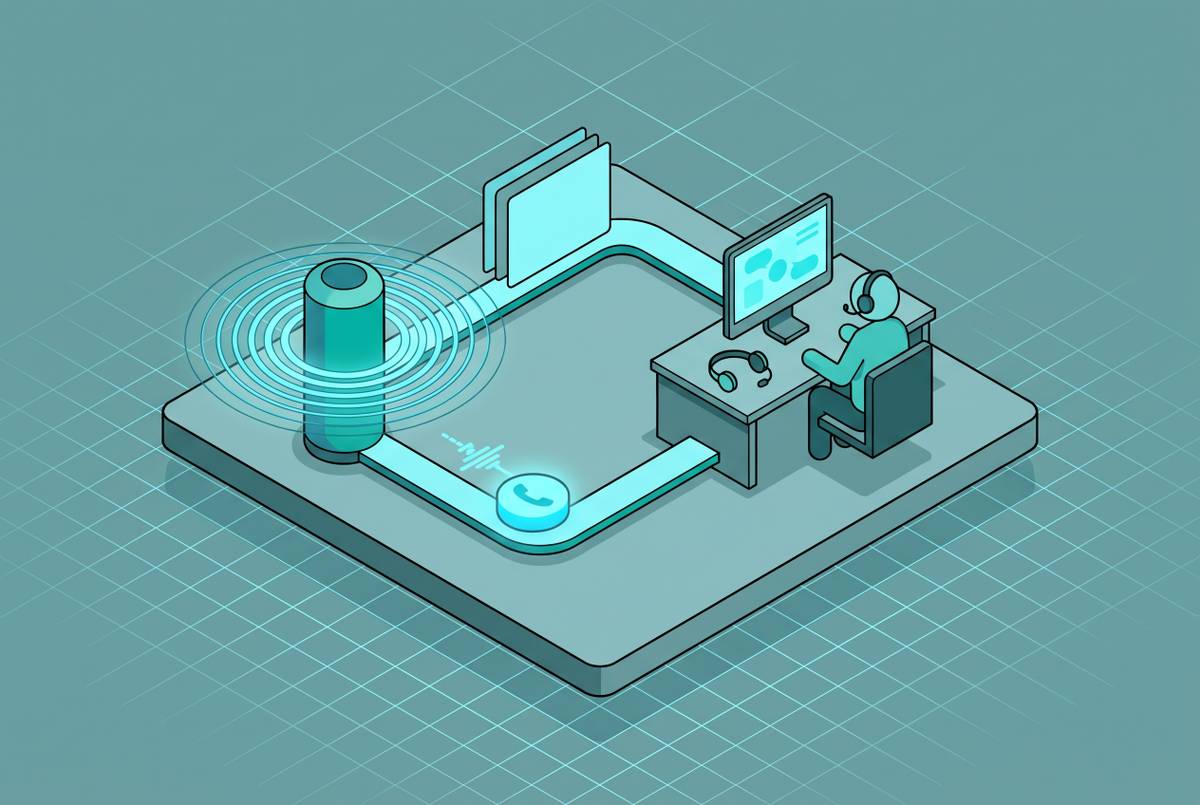
 Conversational Voice
Voice Agent Handoff to Human Agents in Contact Centers
Context-rich handoffs spare callers from repeating themselves to human agents.
The Voice Layer Editors·
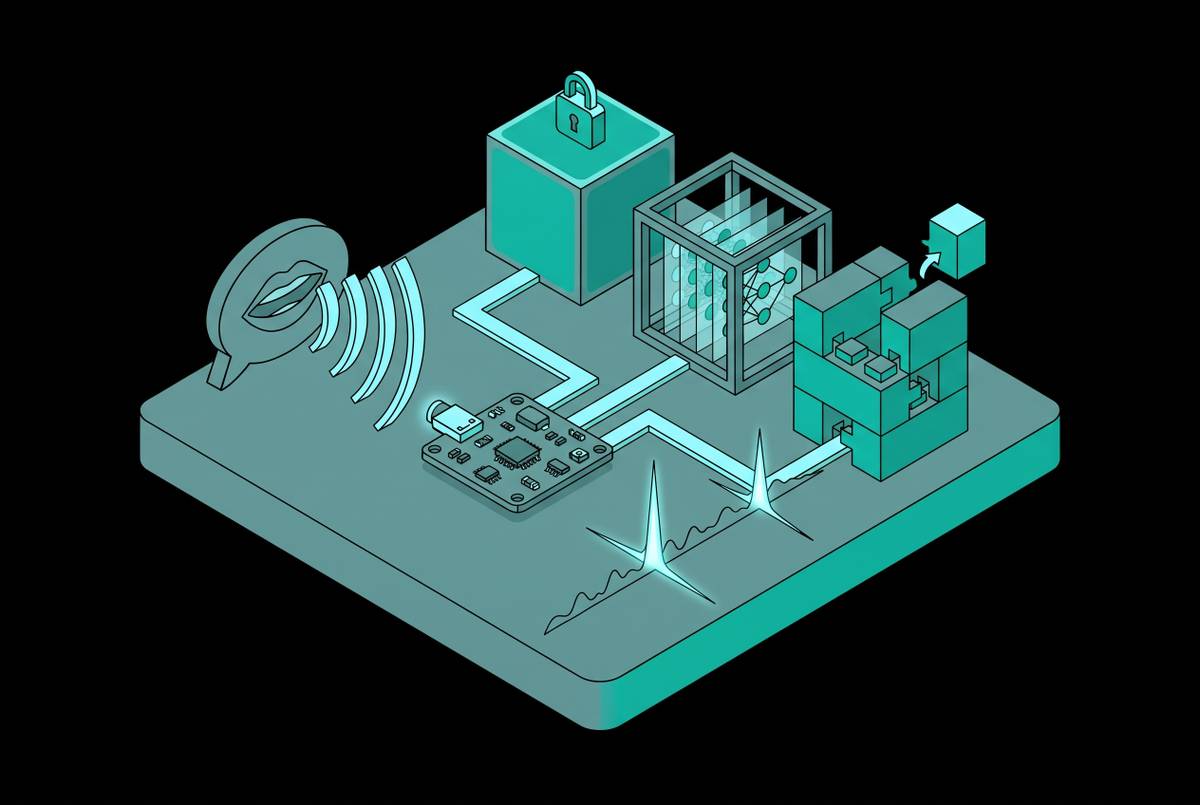 Conversational Voice
Porcupine vs openWakeWord vs Custom Models for Embedded Wake Words
Hardware limits and licensing, not benchmarks, decide which wake word engine fits.
The Voice Layer Editors·
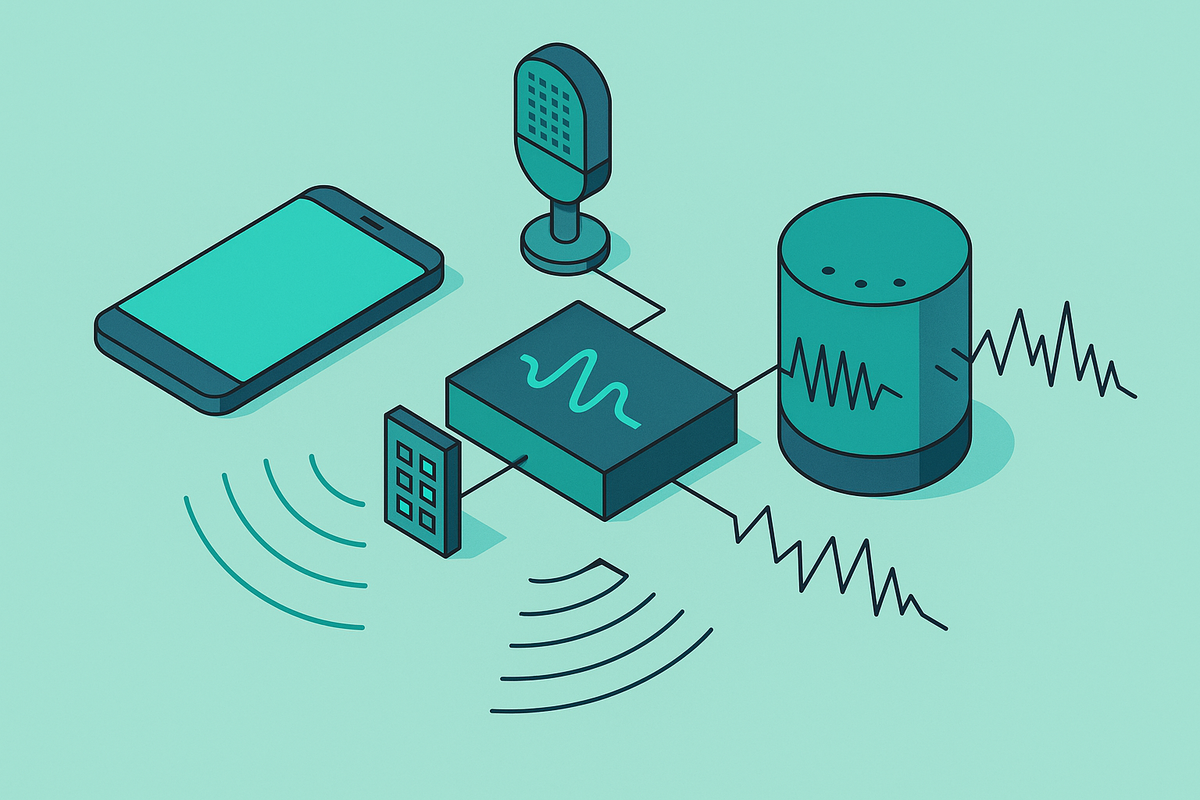 Conversational Voice
Acoustic Echo Cancellation in Full-Duplex Voice AI Systems
How voice AI stops hearing itself, from DSP filters to neural models.
The Voice Layer Editors·
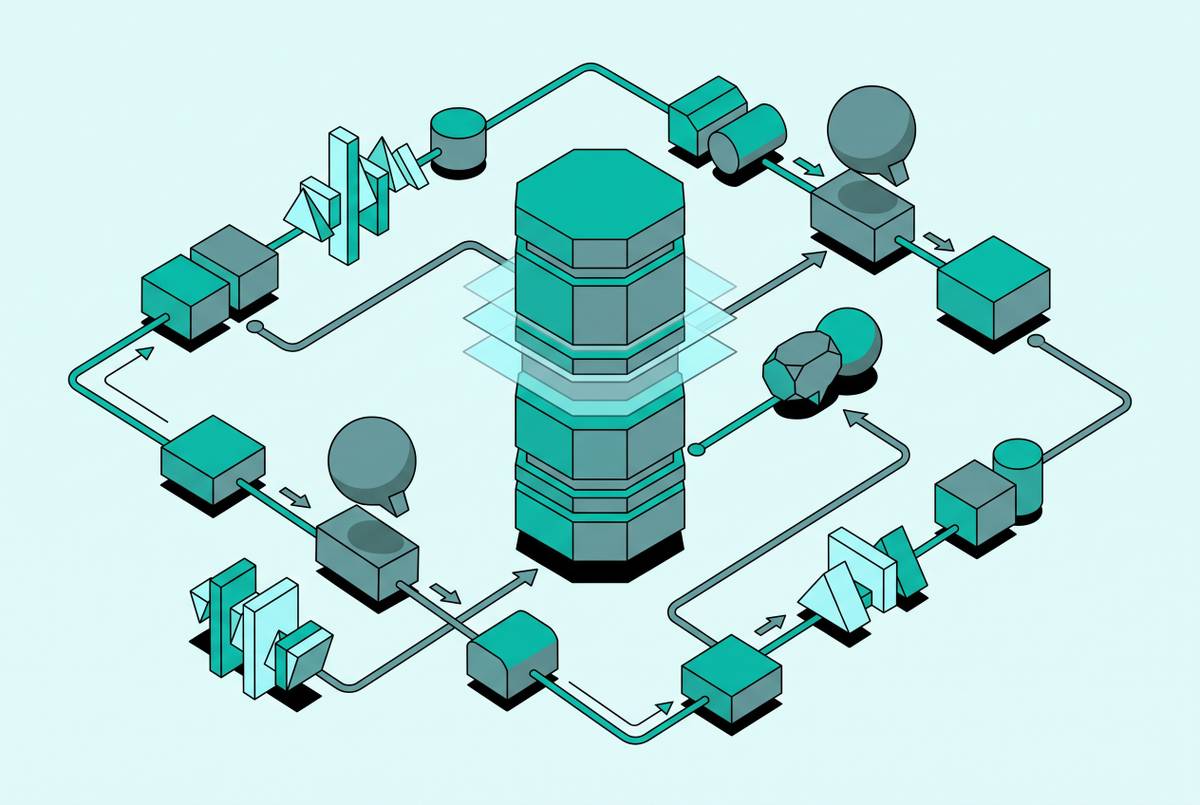 Conversational Voice
Conversation State Management in Long-Running Voice AI Sessions
Most voice agents ship, then lose the thread; bounded context fixes it.
The Voice Layer Editors·
 Streaming Text-to-Speech
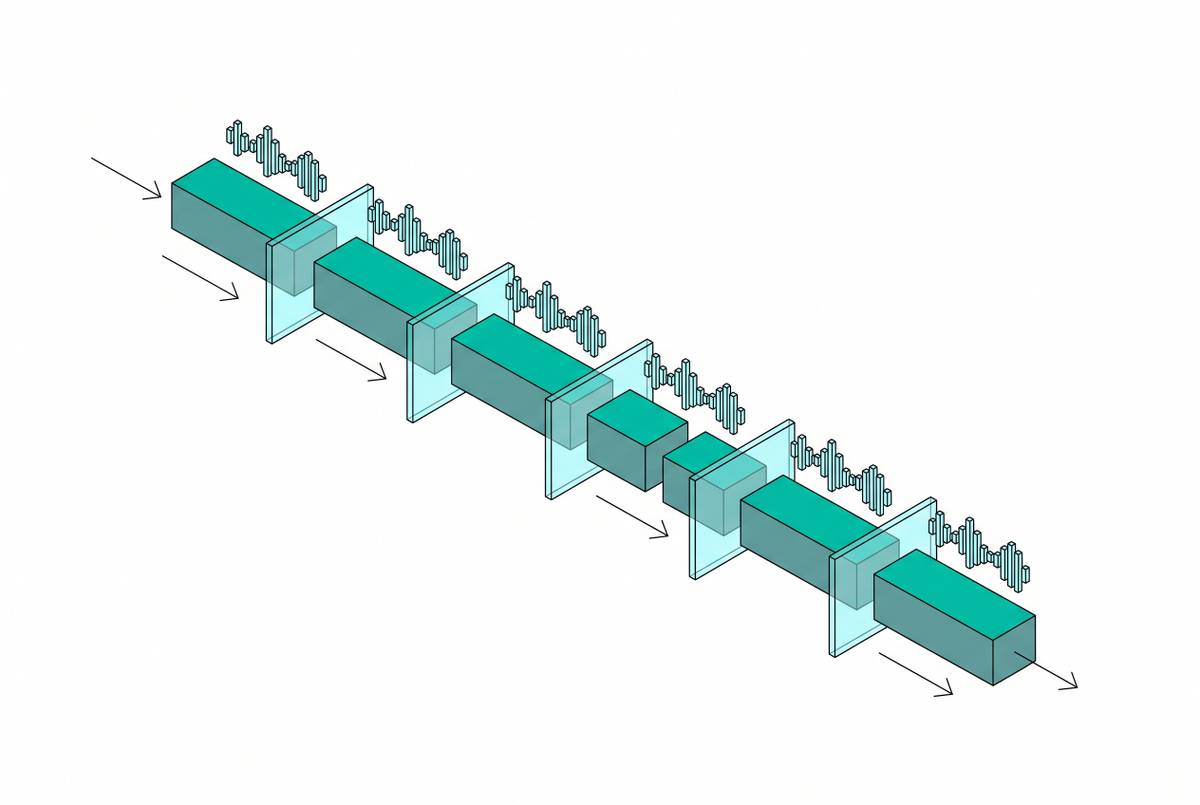
Sentence Boundary Detection for Streaming TTS Chunk Splitting
How to split streaming text for speech without breaking prosody.
The Voice Layer Editors·
 Conversational Voice
Emotion and Sentiment Detection in Real-Time Voice Interactions
How voice emotion detection works, and why it falters in production.
The Voice Layer Editors·
 Features
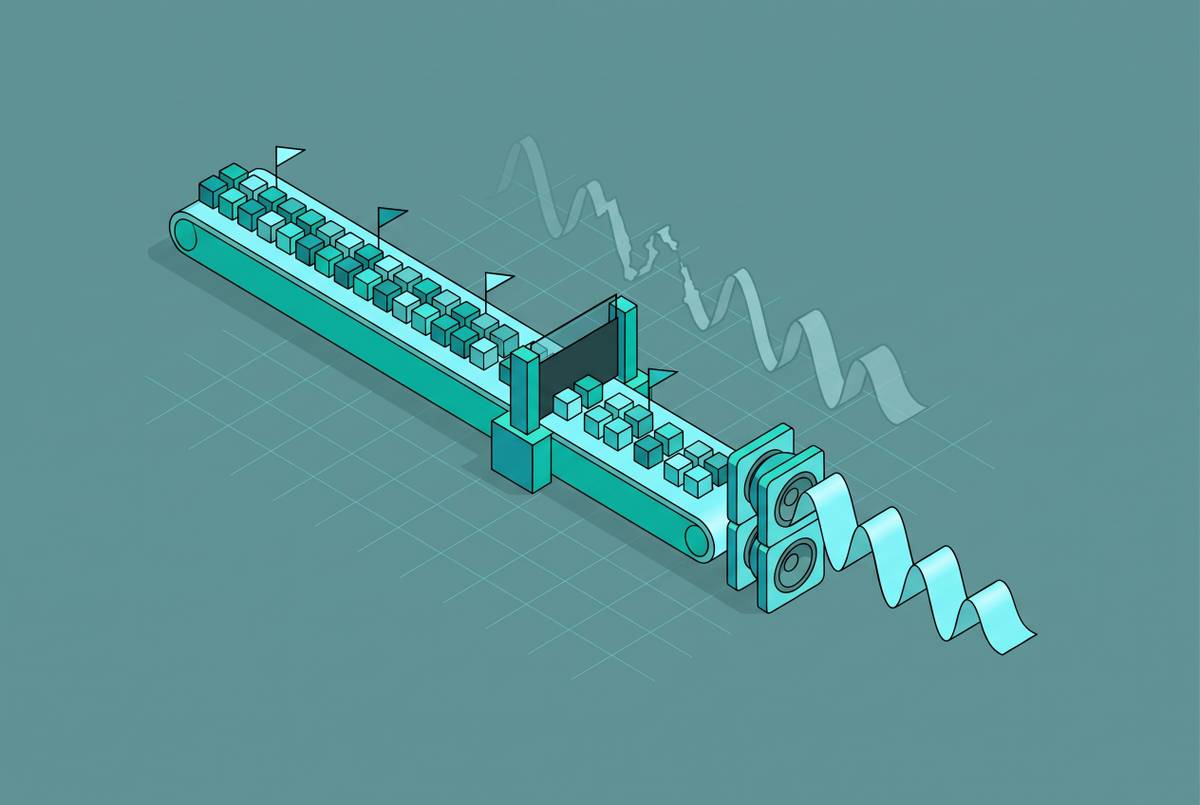
Text Segmentation Heuristics That Reduce Streaming TTS Artifact Boundaries
Streaming TTS seams come from early commitment, state resets, and capacity limits.
The Voice Layer Editors·
 Features
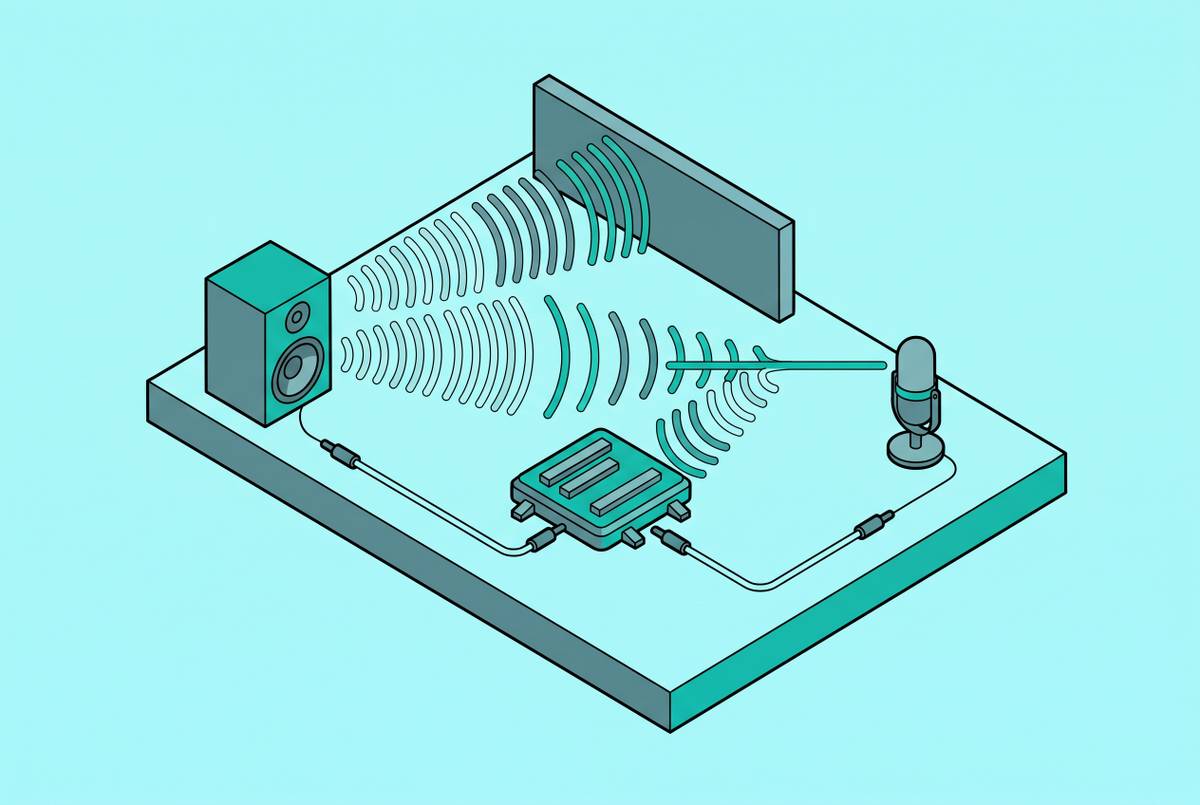
How Loudspeaker Feedback Reaches the Microphone and What Cancels It
Understanding how acoustic loops form and why placement matters most.
The Voice Layer Editors·
 Features
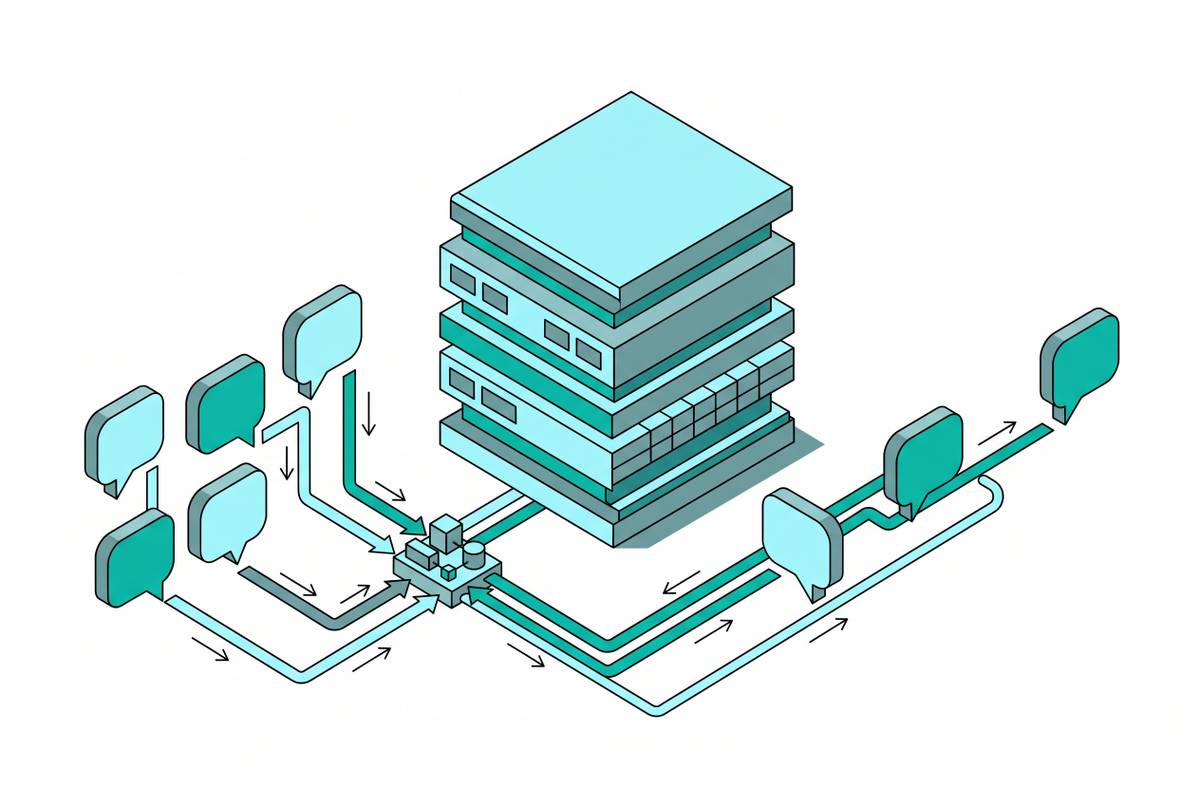
How Voice Agents Persist Session State Across Multi-Turn Conversations
Voice agents must store conversation memory outside the LLM to handle multi-turn dialogue.
The Voice Layer Editors·
 Conversational Voice
Silence Timeout Calibration in Conversational Voice AI Applications
Calibrating when AI hears a conversation end can make or break how natural a voice agent sounds.
The Voice Layer Editors·
 Conversational Voice
Streaming Voice AI Integration With WebRTC Media Servers
WebRTC's low-latency architecture shapes every downstream choice in voice AI systems.
The Voice Layer Editors·
 Audio & Speech Models
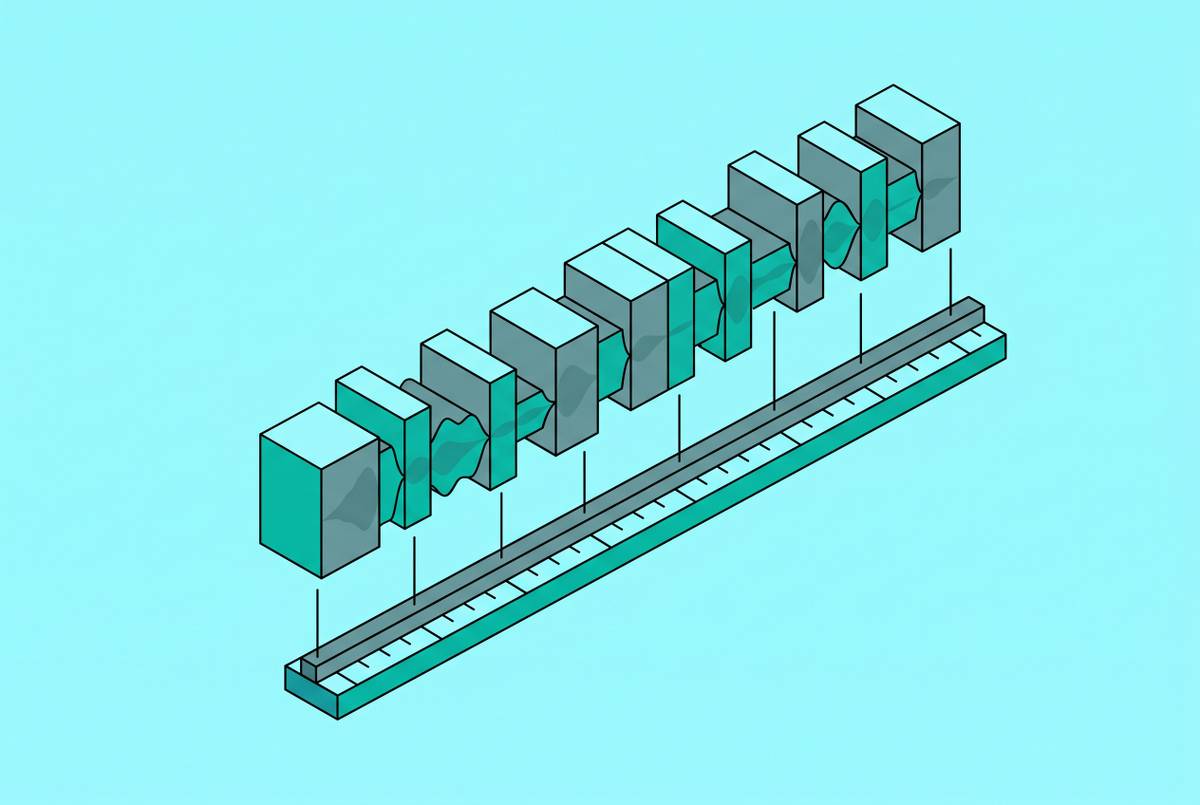
Phoneme-Level Timestamp Alignment in Speech Recognition APIs
Phoneme-level timestamps require a separate alignment model, not just better transcription.
The Voice Layer Editors·
 Audio & Speech Models
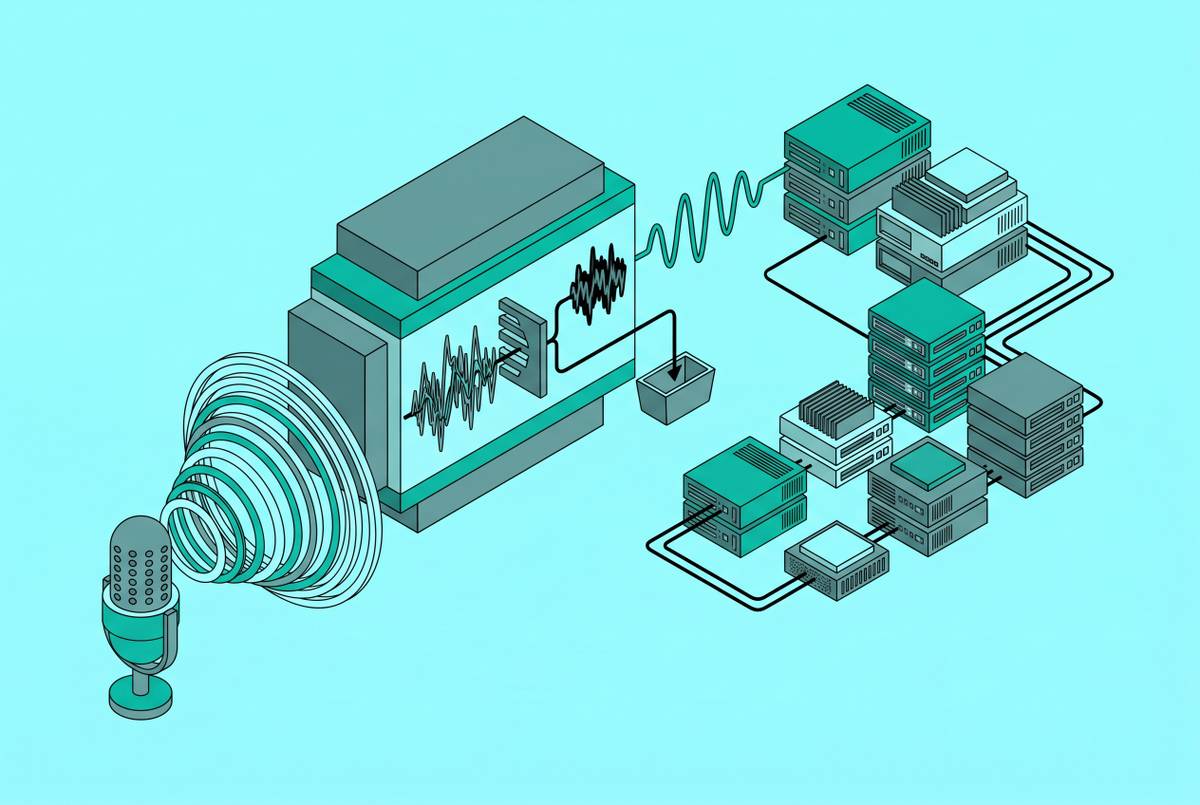
Noise Robustness Testing Methods for Production ASR Deployments
Production ASR systems fail in ways that standard benchmarks never measure.
The Voice Layer Editors·
 Streaming Text-to-Speech
Streaming TTS Voice Persona Consistency Across Long-Form Output
Long-form TTS systems lose voice consistency at scale, requiring new detection methods and fixes.
The Voice Layer Editors·
 Audio & Speech Models
Real-Time ASR Adaptation for Domain-Specific Terminology
Specialized speech systems need runtime vocabulary injection and fine-tuning to match domain audio.
The Voice Layer Editors·
 Conversational Voice
Multi-Language Switching Detection in Bilingual Voice Assistants
Researchers identify why voice assistants fail when speakers switch languages mid-sentence.
The Voice Layer Editors·
 Audio & Speech Models
Streaming ASR Word-Level Confidence Scores for Downstream NLP Use
Confidence scores let downstream systems judge which ASR words to trust.
The Voice Layer Editors·
 Audio & Speech Models
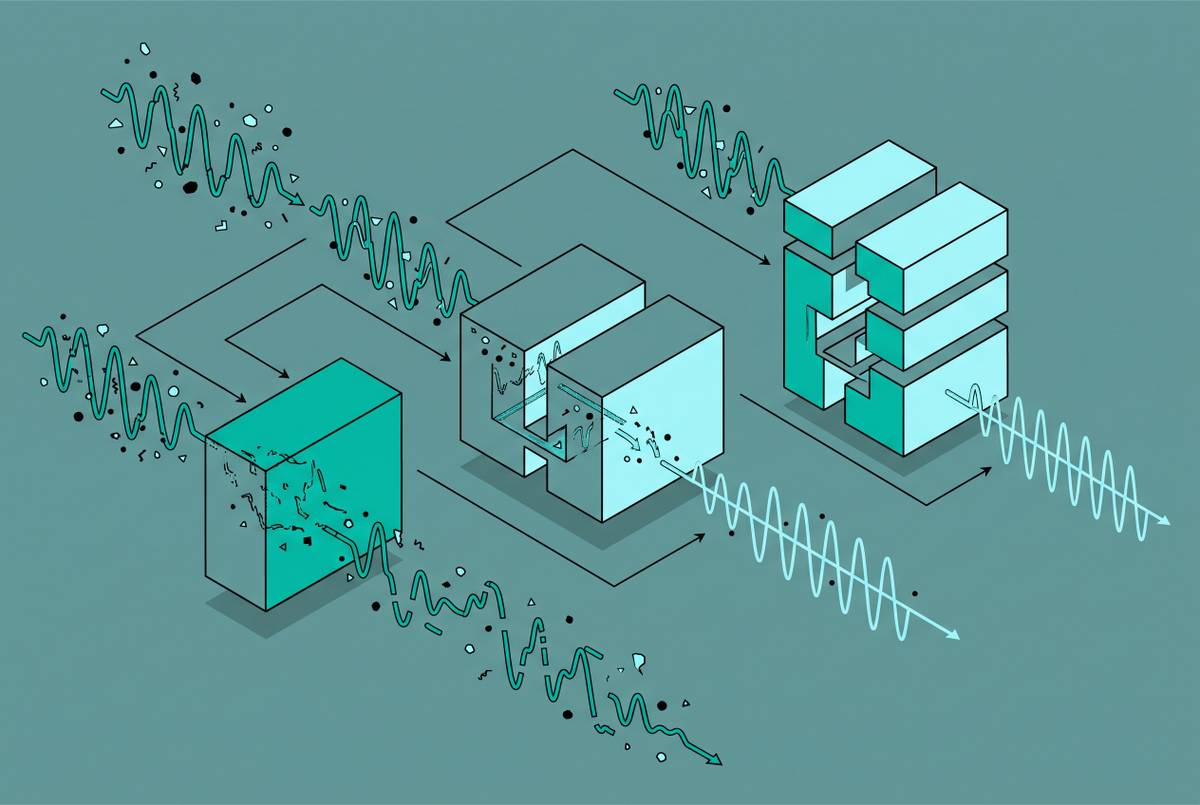
Automatic Speech Recognition Model Comparison for Noisy Audio
Production noise cuts ASR accuracy far more than benchmarks suggest.
The Voice Layer Editors·
 Audio & Speech Models
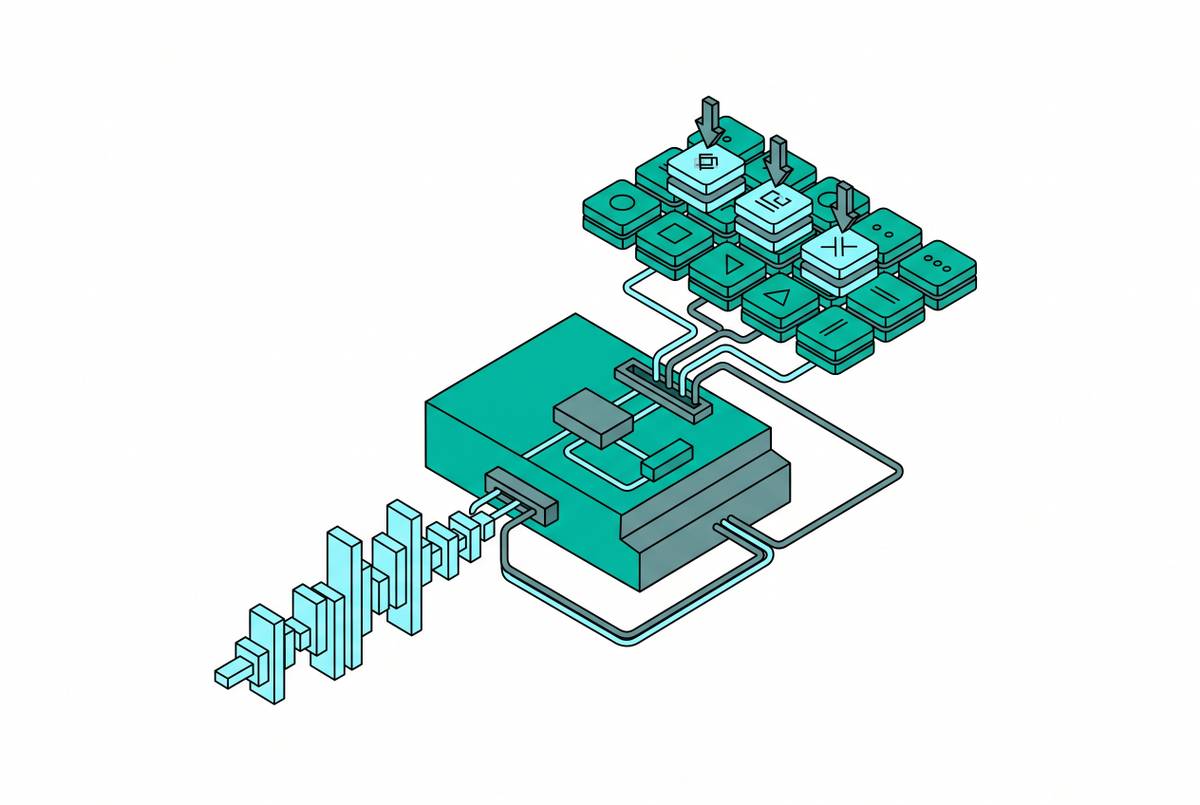
Custom Vocabulary and Hotword Injection in Commercial ASR APIs
Vendors offer two ways to inject domain vocabulary into speech recognition systems.
The Voice Layer Editors·
 Audio & Speech Models
Whisper Model Size vs. Accuracy Tradeoffs for Real-Time Transcription
Model size determines real-time feasibility more than accuracy alone.
The Voice Layer Editors·
 Audio & Speech Models
Automatic Speech Recognition Accuracy by Accent and Dialect
The Voice Layer Editors·
 Audio & Speech Models
Voice Cloning Model Evaluation for Branded Voice Applications
Standard speech metrics miss what branded voices actually need to deliver.
The Voice Layer Editors·
 Streaming Text-to-Speech
Streaming TTS Punctuation Handling for Natural Pause Generation
Streaming TTS systems use punctuation as real-time pacing commands to balance speed and naturalness.
The Voice Layer Editors·
 Conversational Voice
Duplex Audio Handling in WebRTC-Based Voice AI Applications
WebRTC handles simultaneous two-way voice better than alternatives like WebSocket.
The Voice Layer Editors·
 Audio & Speech Models
Multilingual TTS Model Accuracy Across Non-English Languages
Standard benchmarks mask real problems with pitch, code-switching, and complex text.
The Voice Layer Editors·
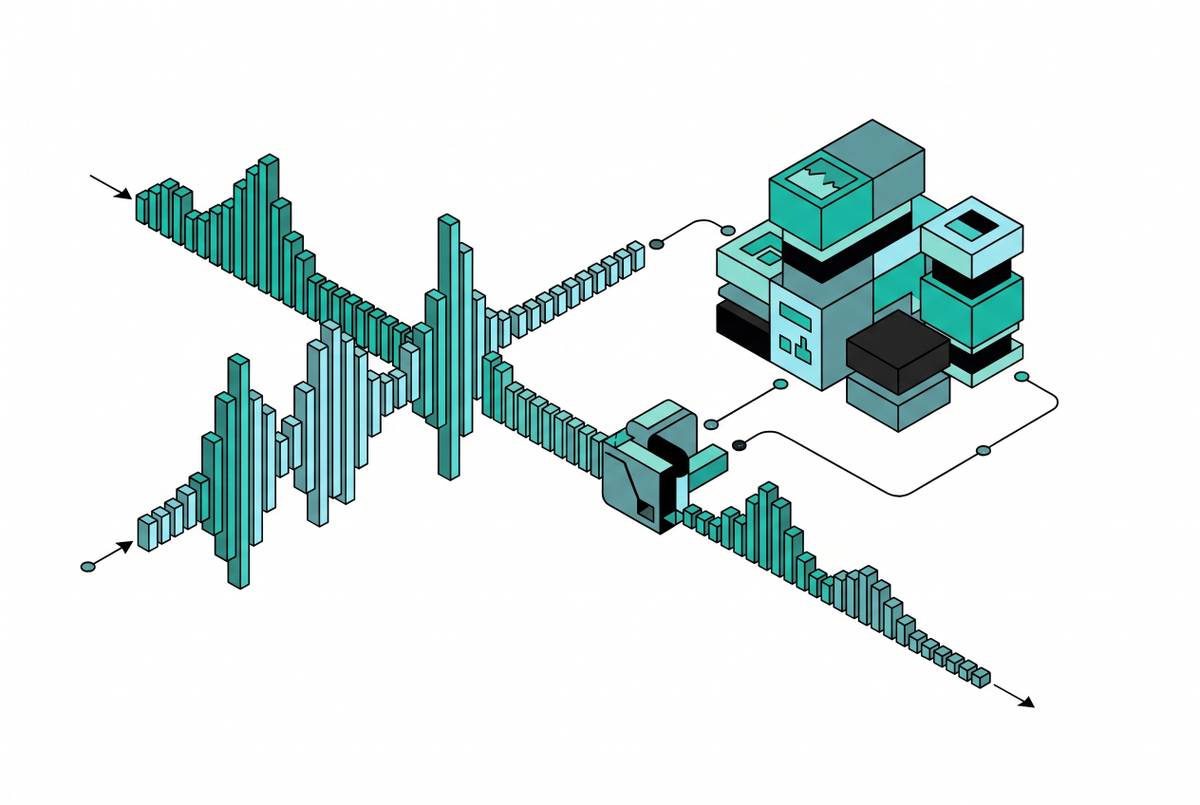 Conversational Voice
Voice Activity Detection Libraries for Streaming Voice AI
Neural models outperform simpler detectors in noisy audio environments.
The Voice Layer Editors·
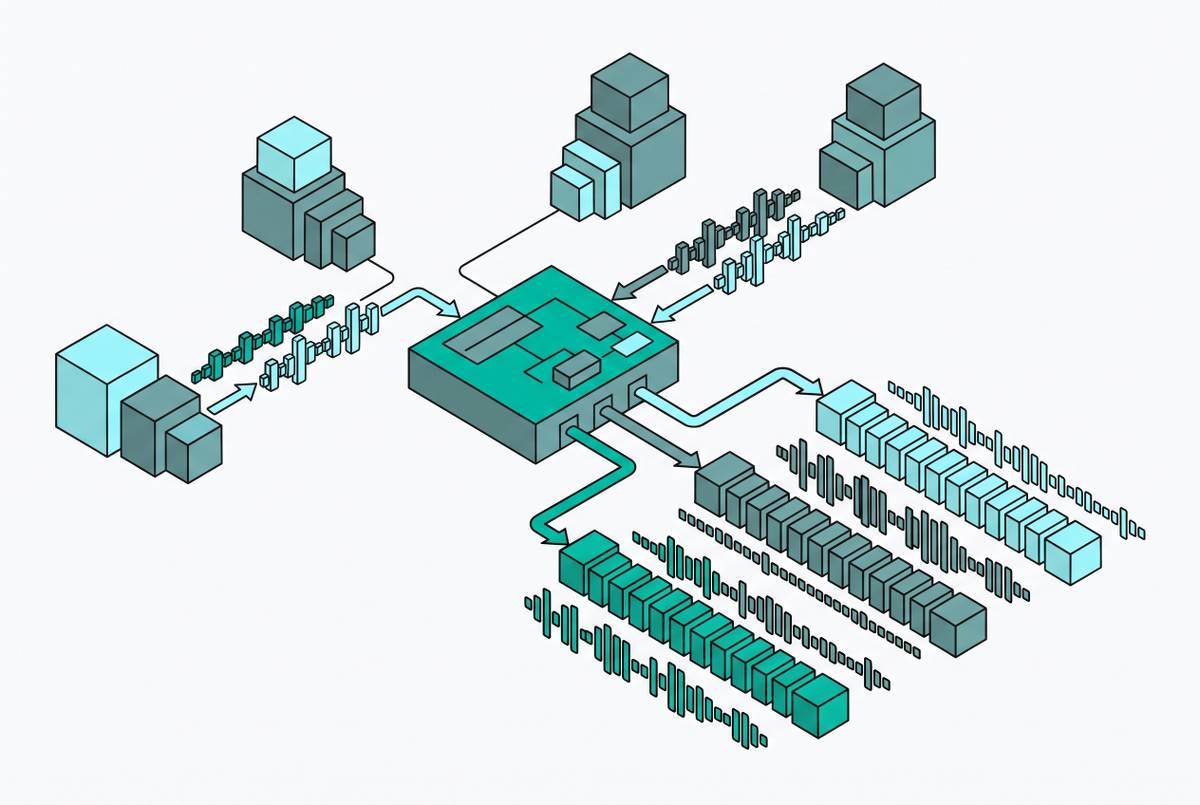 Conversational Voice
Speaker Diarization Accuracy in Real-Time Conversational Voice Systems
Real-time diarization needs turn detection speed more than perfect speaker identification.
The Voice Layer Editors·
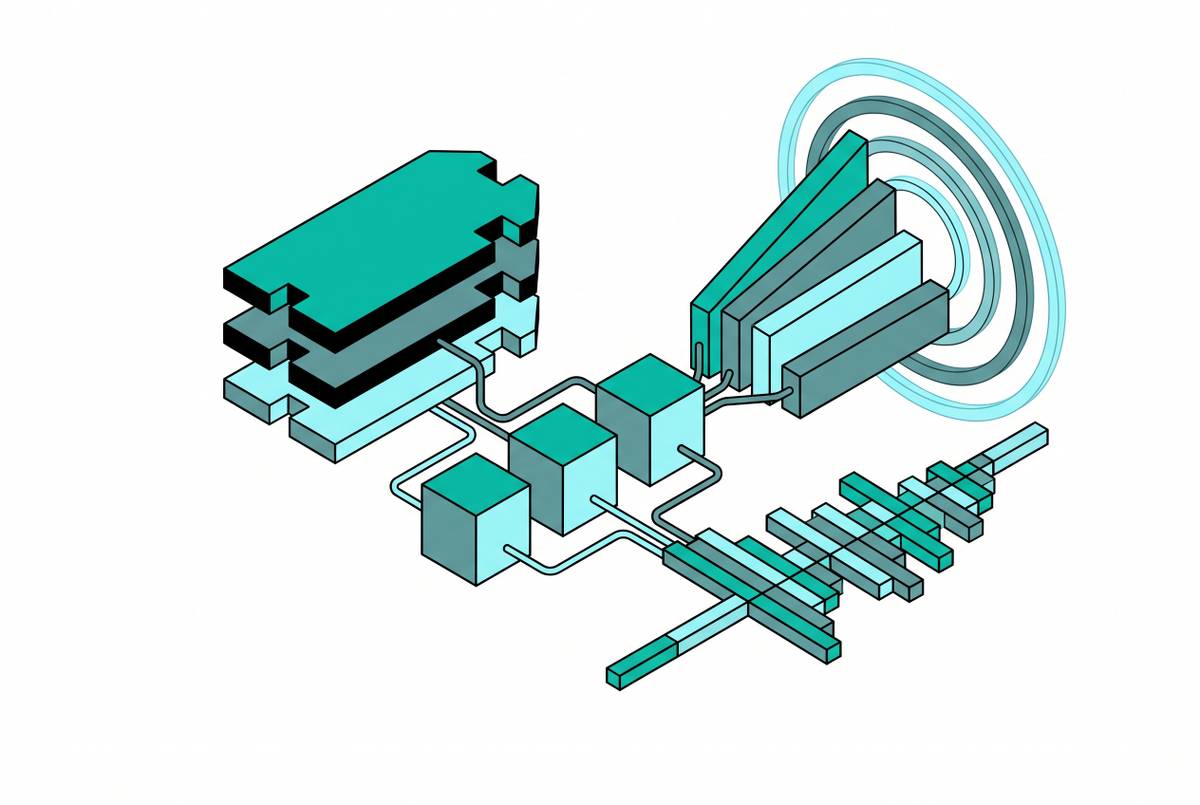 Streaming Text-to-Speech
SSML Support Across Commercial TTS Streaming APIs
Developers need to pick a TTS provider based on actual SSML support, not marketing claims.
The Voice Layer Editors·
 Conversational Voice
End-of-Utterance Detection Accuracy in Noisy Environments
Noise degrades the acoustic signals that end-of-utterance detection relies on.
The Voice Layer Editors·
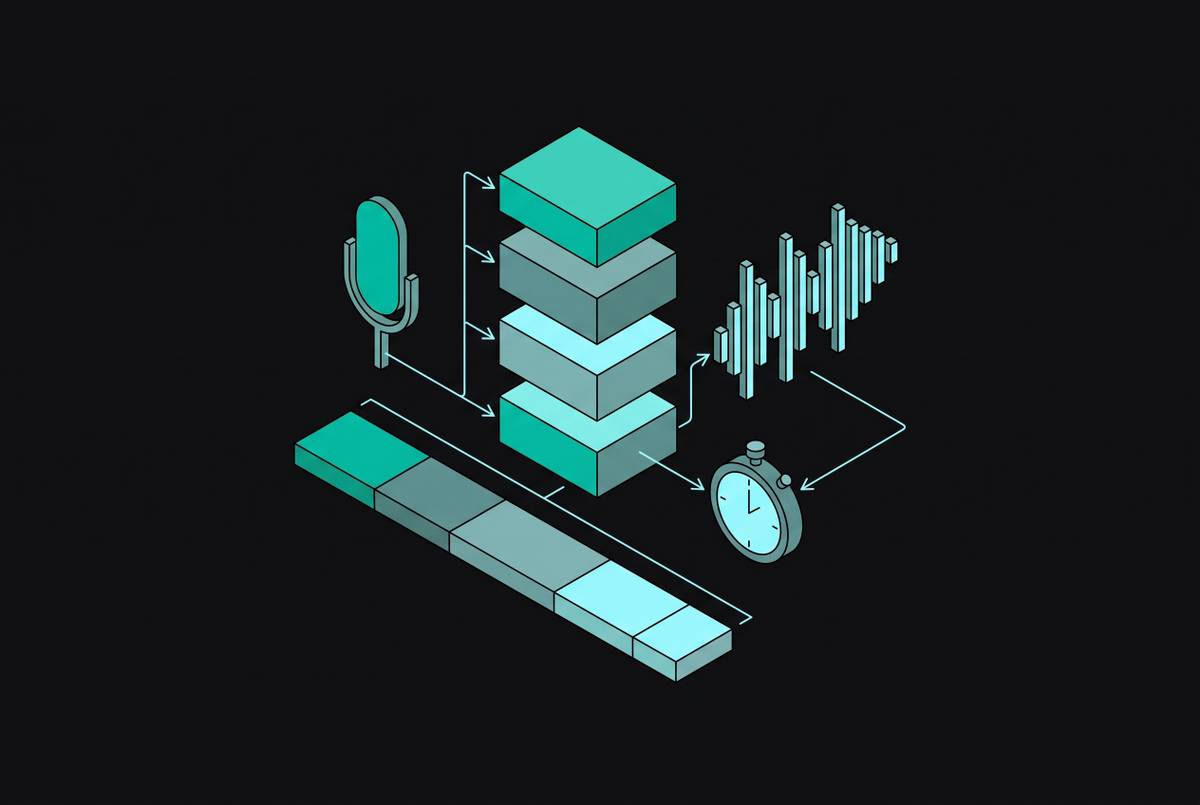 Conversational Voice
Latency Budgets for Natural-Feeling Voice AI Responses
Streaming and prefix caching cut milliseconds where they matter most in voice AI.
The Voice Layer Editors·
 Conversational Voice
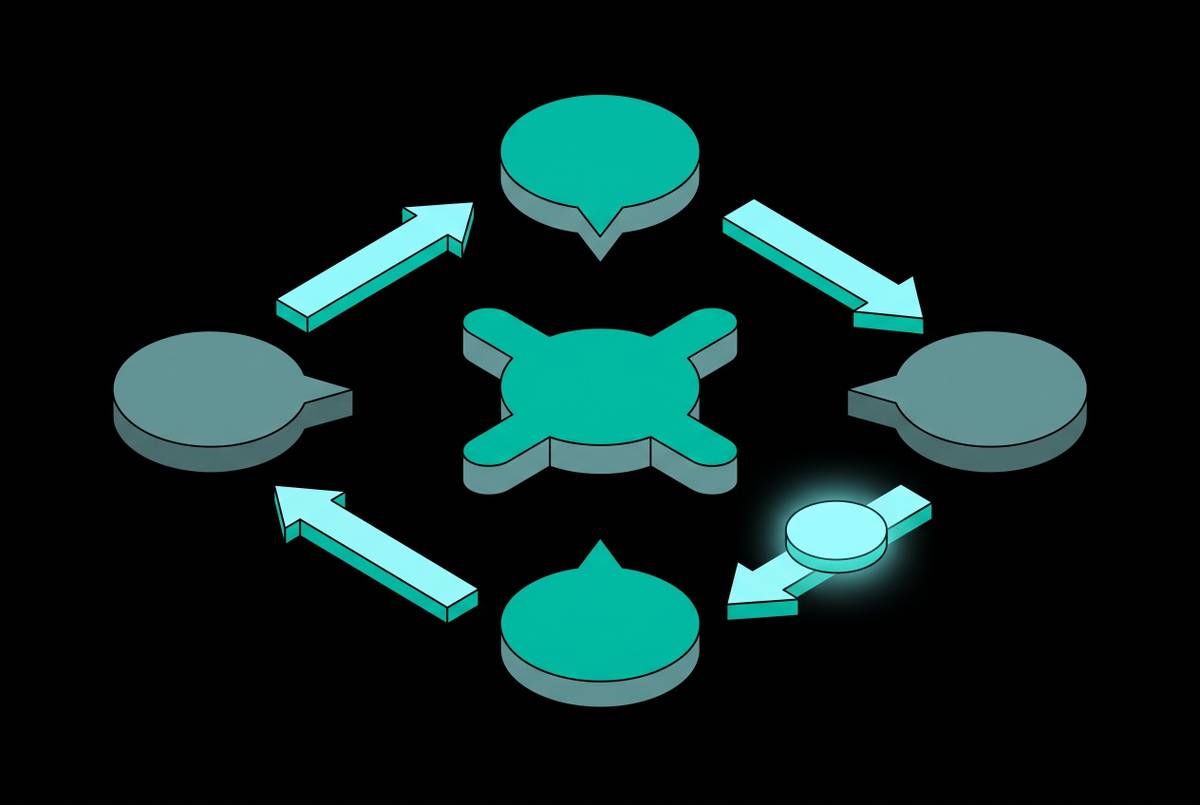
Turn-Taking Protocols in Multiparty Voice Conversations
Modern voice agents need completely different turn-taking logic for group calls.
The Voice Layer Editors·
 Conversational Voice
Barge-In Detection Methods in Voice AI Assistants
Modern voice AI needs millisecond-fast interrupt detection to feel natural.
The Voice Layer Editors·
 Streaming Text-to-Speech
Fallback and Error Recovery in Production Streaming TTS Systems
Streaming TTS fails differently in production than testing, and standard retries won't fix it.
The Voice Layer Editors·
 Streaming Text-to-Speech
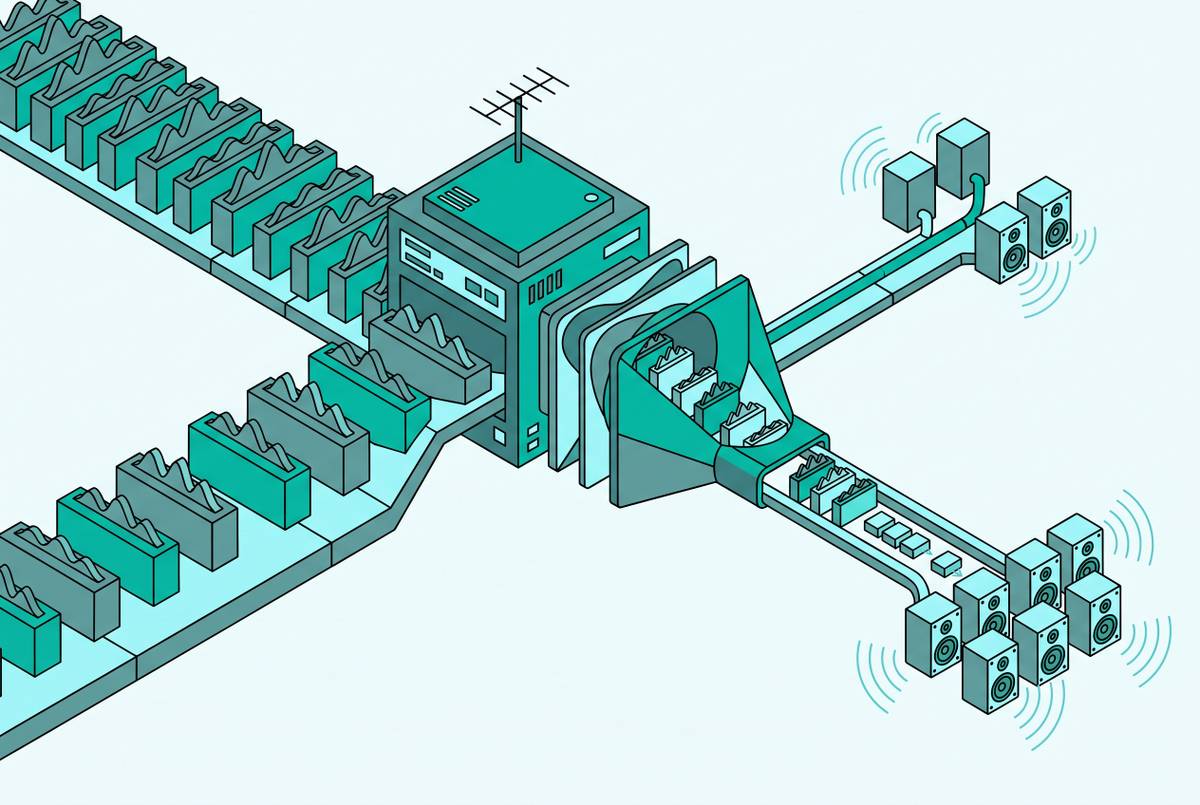
Streaming TTS Cost Optimization for High-Volume Applications
Hidden costs like concurrency and caching often double the bill beyond listed TTS rates.
The Voice Layer Editors·
 Streaming Text-to-Speech
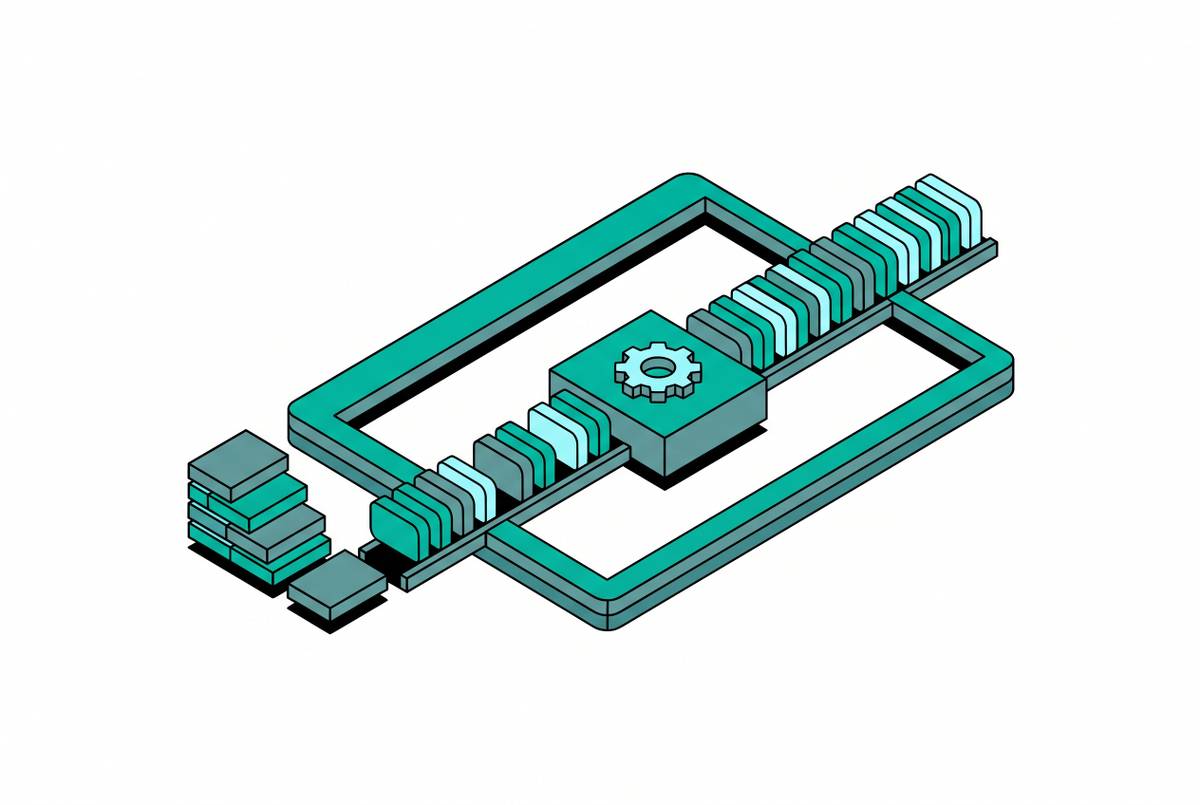
Buffering and Playback Synchronization in Browser-Based TTS
Choosing between Web Speech API and cloud synthesis determines whether your TTS will sync reliably.
The Voice Layer Editors·
 Streaming Text-to-Speech
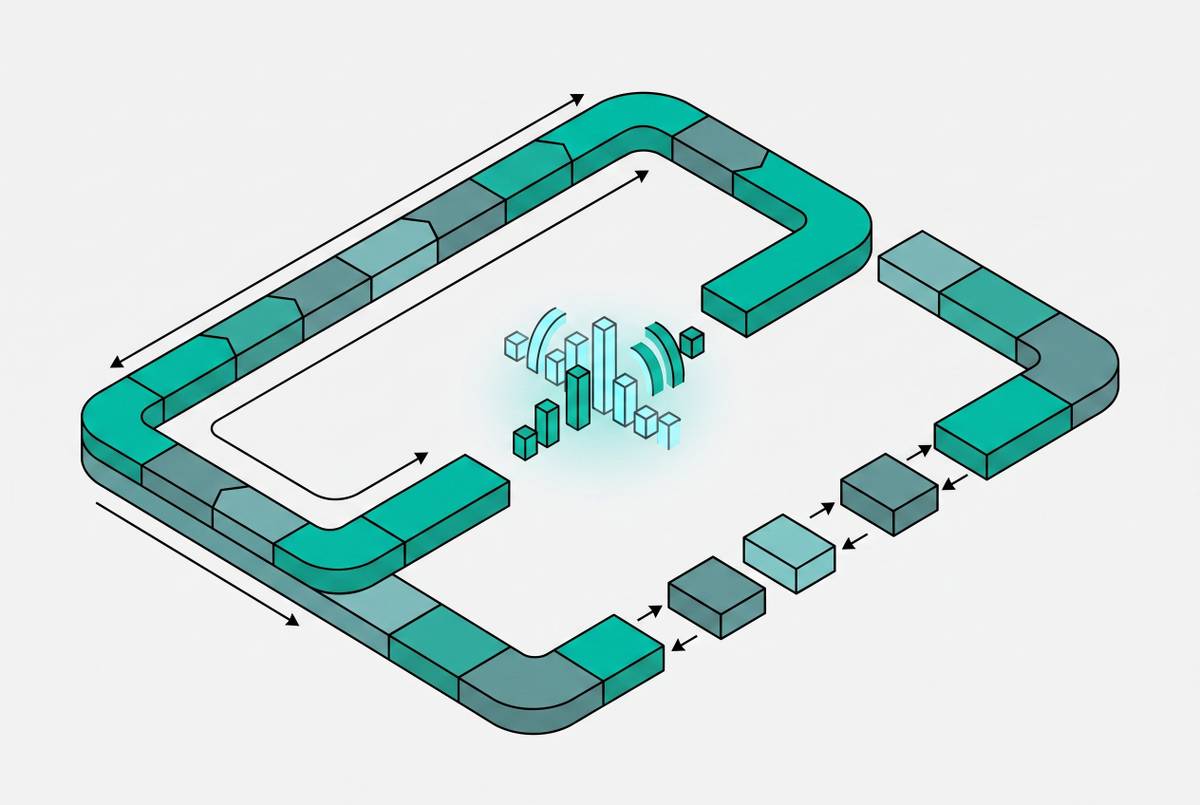
WebSocket vs. HTTP Streaming for Real-Time TTS Delivery
WebSocket cuts latency and enables interruptions where HTTP streaming leaves you waiting and stuck.
The Voice Layer Editors·
 Streaming Text-to-Speech
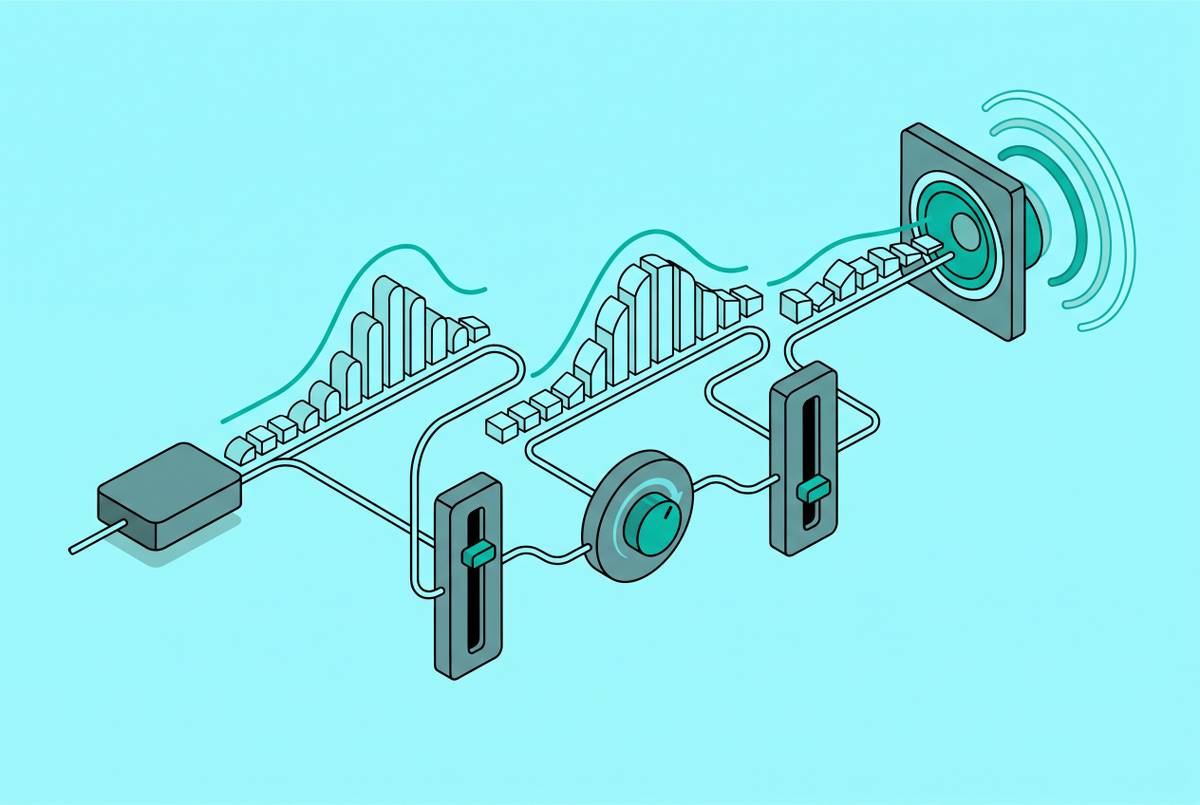
Prosody Control in Streaming TTS for Conversational Applications
Fixing streaming speech means fixing where you cut the text, not tuning the vocoder.
The Voice Layer Editors·
 Streaming Text-to-Speech
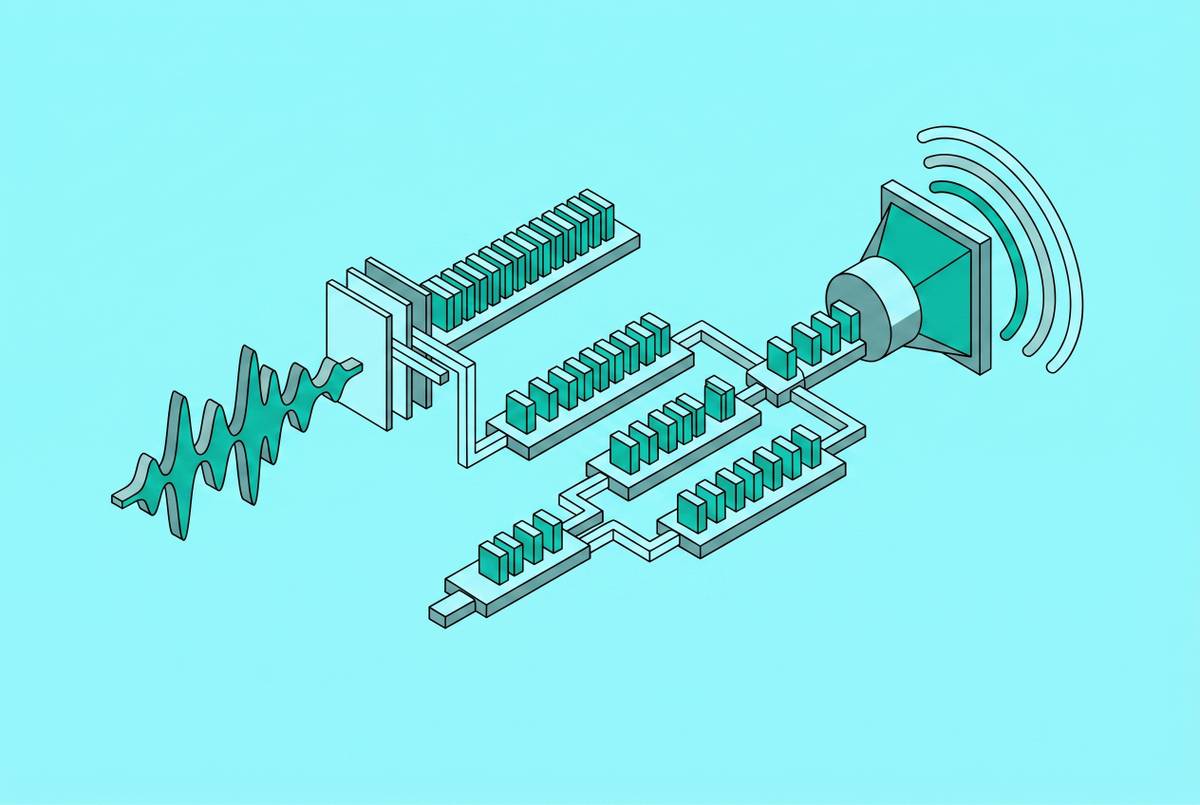
Audio Chunking Strategies for Low-Latency TTS Pipelines
Splitting text into chunks before synthesis starts the TTFA clock.
The Voice Layer Editors·
 Streaming Text-to-Speech
Neural TTS Latency Benchmarks Across Leading APIs
Real-world TTS latency trails vendor claims by hundreds of milliseconds in production conditions.
The Voice Layer Editors·
 Features
Barge-in and turn-taking: how conversational voice systems handle interruption
Why voice assistants struggle to know when you're interrupting them.
The Voice Layer Editors·
 Features
Streaming text-to-speech: chunking, prosody, and the time-to-first-audio problem
Latency, not voice quality, makes streaming text-to-speech feel natural.
The Voice Layer Editors·
 Features
Running speech models on-device: quantization, memory ceilings, and edge inference tradeoffs
How quantization, memory limits, and streaming tradeoffs shape real-world voice AI.
The Voice Layer Editors·